Energy City: Built to Keep Evolving
From the original N-scale museum installation to a new Future Module, RADAR brings a changing energy story to life through animation and projection-ready media.
Clients: Houston Museum of Natural Science, Paul Bernhard Exhibits & Chevron

A permanent experience with room to evolve
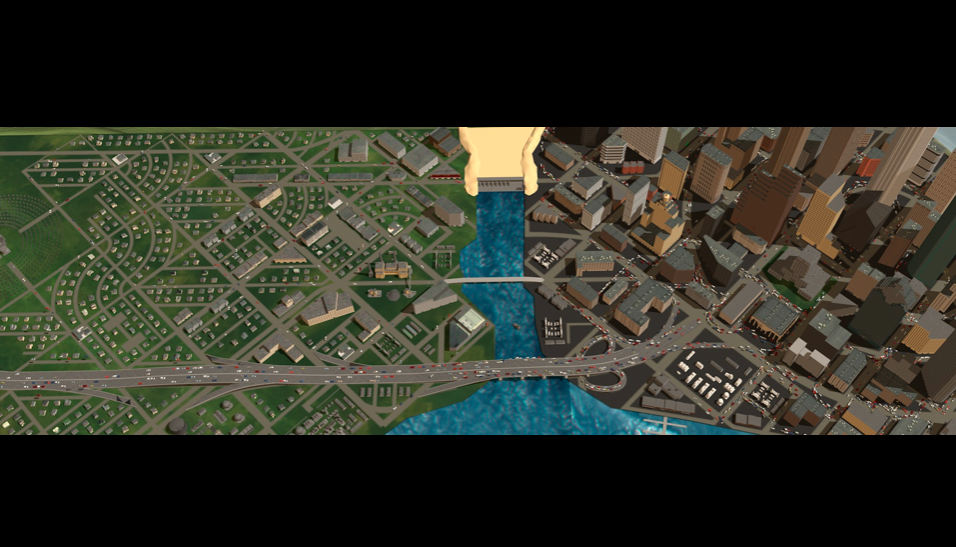
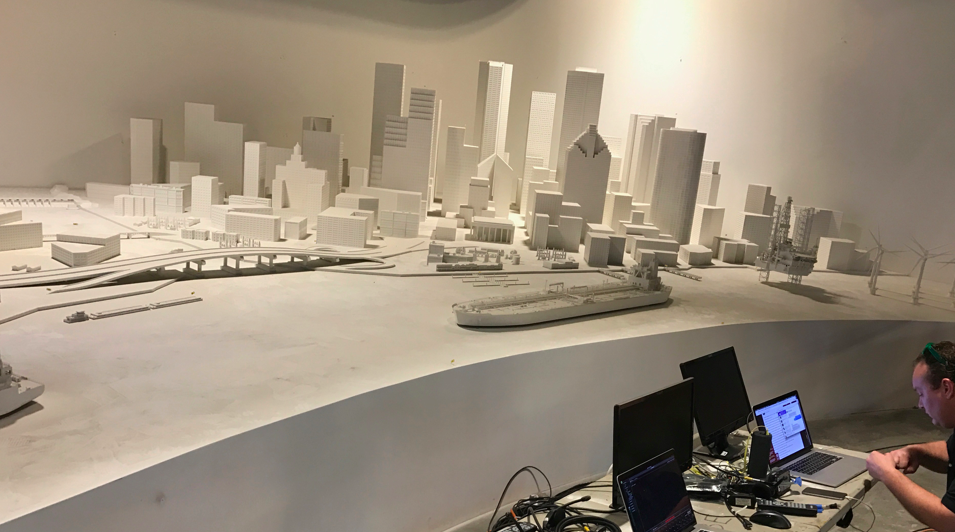
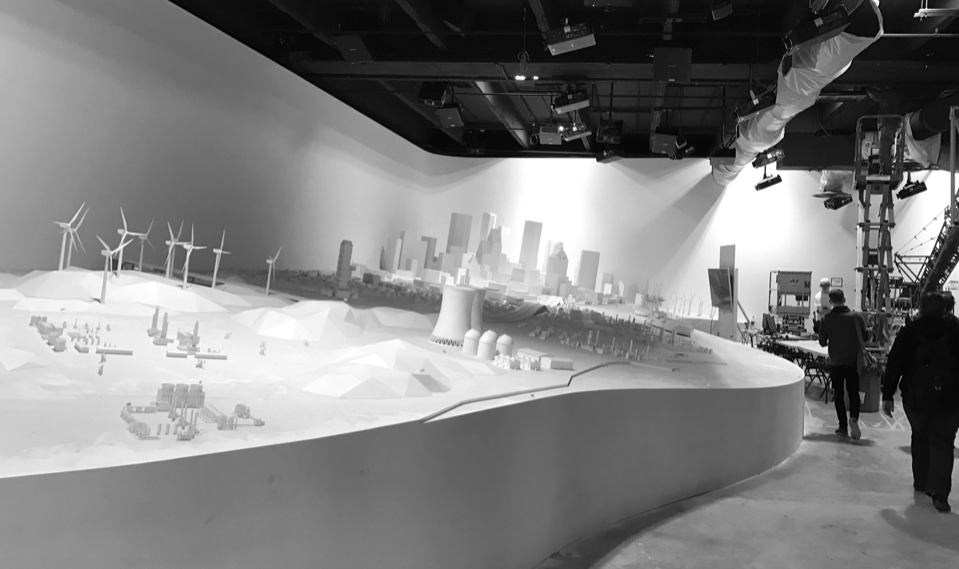
Energy City turns a model of Houston into a story about the systems that power our lives. Inside the Houston Museum of Natural Science’s Wiess Energy Hall, animation moves across a detailed N-scale landscape, connecting the city visitors recognize with the energy infrastructure around it.
RADAR contributed custom animation and projection-ready media to the original installation, which opened in 2017. In 2026, we returned to update the Future Module. Together, the two chapters show how a permanent experience can retain its identity while making room for new ideas.
The original installation
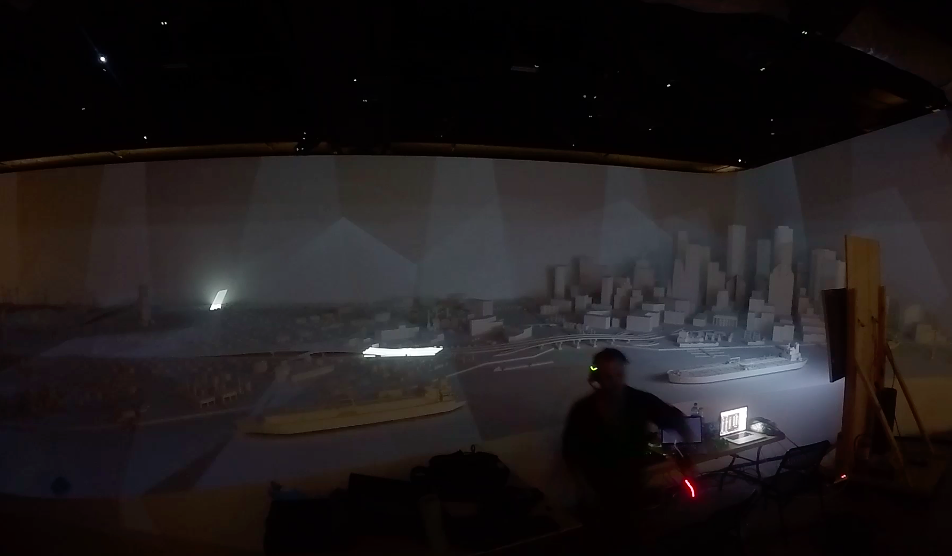
The 2,500-square-foot model provides a physical setting for an enormous subject. City buildings, industrial sites, highways and coastal terrain become part of a visual explanation of energy production and use. Paul Bernhard Exhibits led the exhibit design, with RADAR contributing animated content as part of the broader project team. Chevron was a sponsor and project stakeholder.
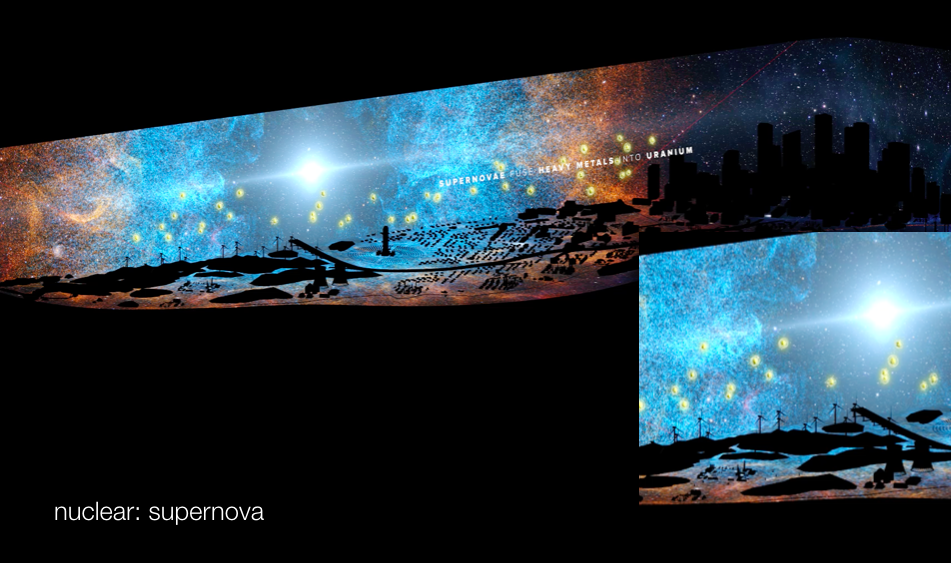
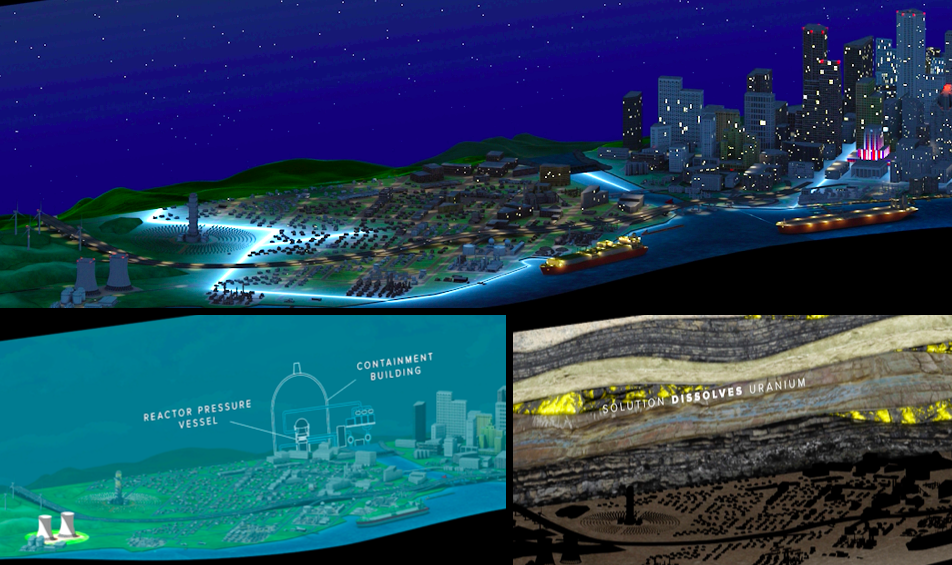
RADAR created approximately 30 minutes of original animation, combining energy-system stories with a day-to-night view of Houston. Traffic, changing light and activity throughout the model gave the city a sense of life, while individual chapters made the surrounding energy systems visible.
Working at N-scale brought miniature detail and large-scale storytelling together. Content had to relate to the model’s geometry and the way visitors viewed the exhibit. The original production established a visual language and a substantial body of media that could support the experience over years of use.
The installation in numbers
- Approximately 30 minutes of original custom animation
- 2,500-square-foot N-scale model
- 128,374,912 pixels rendered per frame in the original content configuration
- 168 fiber-optic sensors in the installation
- 45 projectors rated at 10,000 lumens each in the upgraded system
The upgraded projector specification describes the installation’s later configuration. It is separate from RADAR’s Future Module content update.
Original Energy City installation:

The Future Module refresh
The newest assignment was to bring the final chapter forward while preserving the coherence of the larger show. Emerging energy ideas needed to become understandable visual moments, and the new media needed to work across the existing back wall, physical model and playback environment.
Working with Paul Bernhard Exhibits, museum stakeholders and the installation team, RADAR developed new motion design and animation. Wireframe imagery, animated diagrams, typography and coordinated color treatments gave the sequence a shared visual language. Styleframes established the direction before full animation, with review addressing both visual consistency and scientific clarity.

Coordinating content with the space
The back wall carried the main narrative while ground and building treatments extended it across the physical landscape. These layers were developed in stages so timing decisions could carry through the sequence. A change in one part of the show had to remain connected to the others.
RADAR prepared projection-ready media and refined the content through exhibit playback reviews with the project partners. The final media was retimed to fit the established show requirements, with the installation team handling loading and system-side integration. The result brings new animation into a familiar environment without treating the content as an isolated screen.
An experience with a continuing life
The refreshed Future Module was delivered, installed and confirmed operational in 2026. Nearly nine years after Energy City first opened, new content is extending the story within the permanent installation.
HMNS described Energy City as a visitor favorite at a 2017 member event and later featured it in a 2019 employee-picks article. Today, the museum continues to identify it as a highlight of the Wiess Energy Hall. Its continued presence, together with the completed content refresh, gives the project a concrete story of longevity.
Deliverables official received and up and running in the exhibit. Looking and sounding great.
Paul Bernhard, PBE Design
By bringing story, motion design and practical production together, RADAR helped create an experience that can keep evolving as its subject changes.